Kyauktaw’s Devastating September 28 and the Global Double Standard on Human Rights
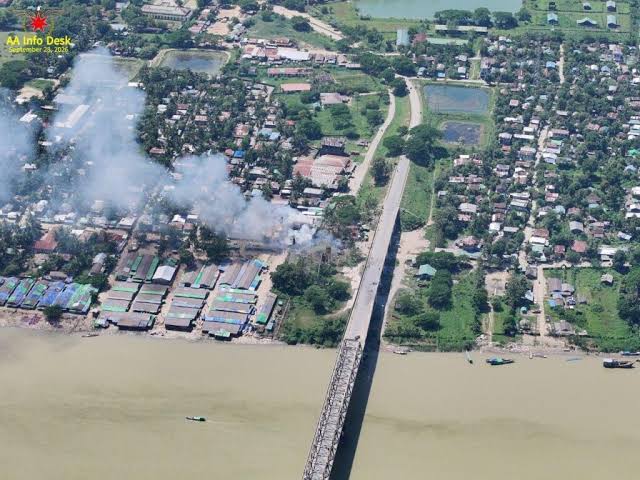
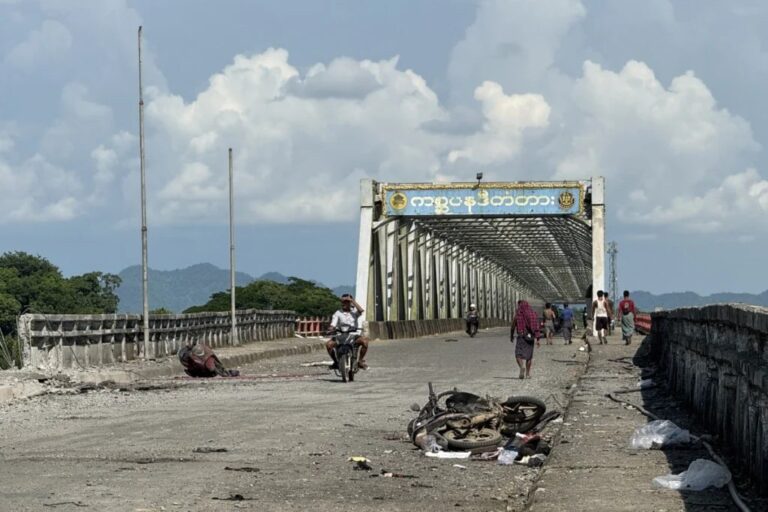
On the afternoon of September 28, 2026, a Myanmar military junta jet fighter launched a targeted airstrike on the crowded India Market and the adjacent Kisapanadi Bridge in Kyauktaw Town a vital hub for everyday trade and civilian life. This brutal attack claimed the lives of over 50 innocent civilians, including shoppers, vendors, daily wage loaders, sidecar operators, and tuk-tuk drivers, while leaving nearly 70 others severely wounded.
The majority of those killed were women, children, and the elderly. Some bodies were mutilated beyond recognition, forcing local communities to bury them in unidentified mass graves. This incident stands as one of the deadliest aerial bombardments targeting civilians globally in the 21st century.
Comparing this atrocity to other global conflicts exposes a stark international double standard. When civilians are targeted in Gaza, Muslim-majority nations and international bodies like the Organisation of Islamic Cooperation (OIC) mobilize swift and robust condemnation.
When Christian communities face persecution or attacks in parts of Africa, Western democracies move decisively with sanctions and diplomatic pressure. Furthermore, major escalations in Iran or the Israeli-Palestinian conflict trigger instant global protests and high-level diplomatic responses. By contrast, the deliberate bombing of over 50 civilians in a crowded marketplace in Kyauktaw has met with virtual silence from global leaders—not a single forceful statement or meaningful action has materialized.
This inaction reflects a cynical geopolitical calculus that reduces Myanmar’s crisis to a mere “internal civil war,” dismissing it as irrelevant to global power interests and side-stepping core human rights principles.
The tragedy in Kyauktaw underscores a painful reality: human suffering only seems to warrant international compassion when tied to political, religious, or strategic interests. When vulnerable communities fall outside these geopolitical priorities, their rights are systematically ignored by the international community.
The freshly dug graves in Kyauktaw, where unidentified victims were buried using heavy machinery, are not mere statistics or transient news updates. They represent innocent human beings with families, dreams, and lives that were cut short. If the international community remains silent in the face of the Myanmar military junta’s systematic war crimes, it sends a dangerous signal of impunity to the perpetrators.
The United Nations, international human rights bodies, and world leaders must apply humanitarian standards universally without prejudice toward region, religion, or ethnicity. Securing justice for the victims of the Kyauktaw massacre and holding the junta accountable for its war crimes is an inescapable moral imperative for the global community.